
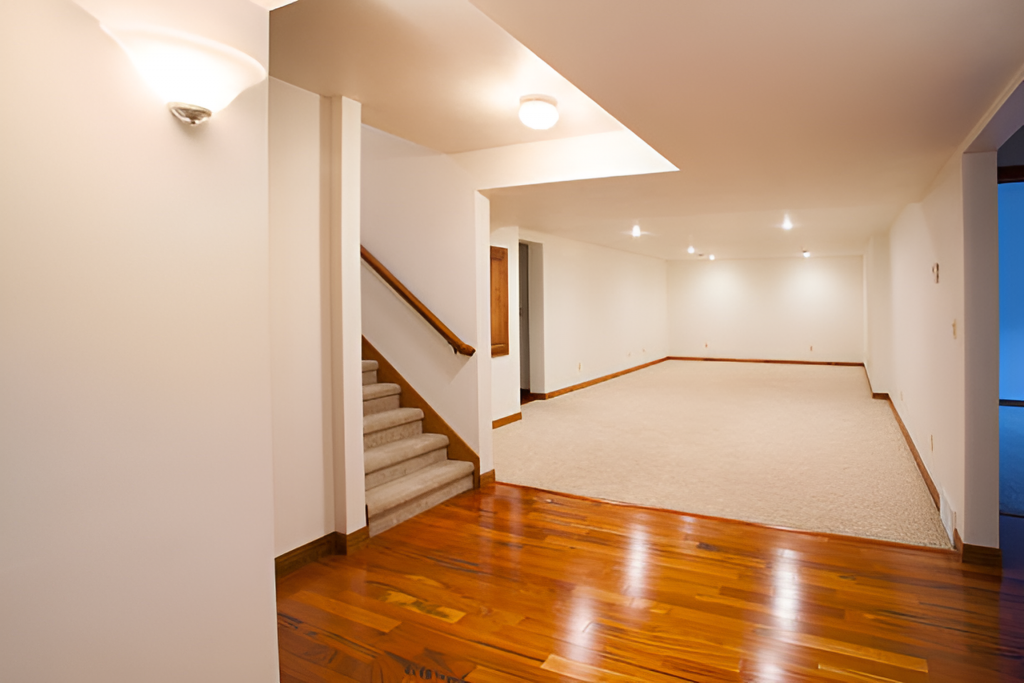
- Basement flooring impacts home value: High-quality, well-chosen flooring enhances visual appeal, increases usable space, and improves resale potential.
- Moisture matters: Waterproof or water-resistant flooring is essential for damp basements to prevent damage and maintain long-term value.
- Top flooring options: Luxury vinyl, engineered hardwood, carpet, tile, laminate, stained concrete, and cork each offer unique benefits for style, comfort, and durability.
- Match flooring to use: Selecting floors based on room purpose—entertainment, gym, laundry, or guest rooms—ensures longevity and functionality.
- Maintenance preserves value: Regular cleaning, sealing, and prompt attention to spills or damage extends the life and appeal of basement floors.
- Professional installation matters: Proper subfloor preparation and expert installation prevent long-term issues and maximize the flooring’s impact on home value.
- Trendy yet practical choices attract buyers: Materials that combine style, durability, and ease of maintenance, such as wood-look vinyl, engineered hardwood, or polished concrete, appeal most to modern homebuyers.
Your basement is more than just a storage area—it’s a space with the potential to increase your home’s value and functionality. Choosing the right flooring is crucial not only for aesthetics but also for durability, comfort, and long-term investment. In this article, we’ll explore the best basement flooring options that can make your lower level a standout feature of your home.
Why Basement Flooring Matters for Home Value
Many homeowners underestimate the impact of basement flooring on overall property value. A finished basement with high-quality flooring:
- Enhances the visual appeal of your home.
- Increases usable square footage.
- Improves resale value.
- Provides durability against moisture and wear.
Investing in flooring that balances style, comfort, and practicality can make your home more attractive to buyers while offering daily enjoyment for your family.
What to Consider Before Choosing Basement Flooring
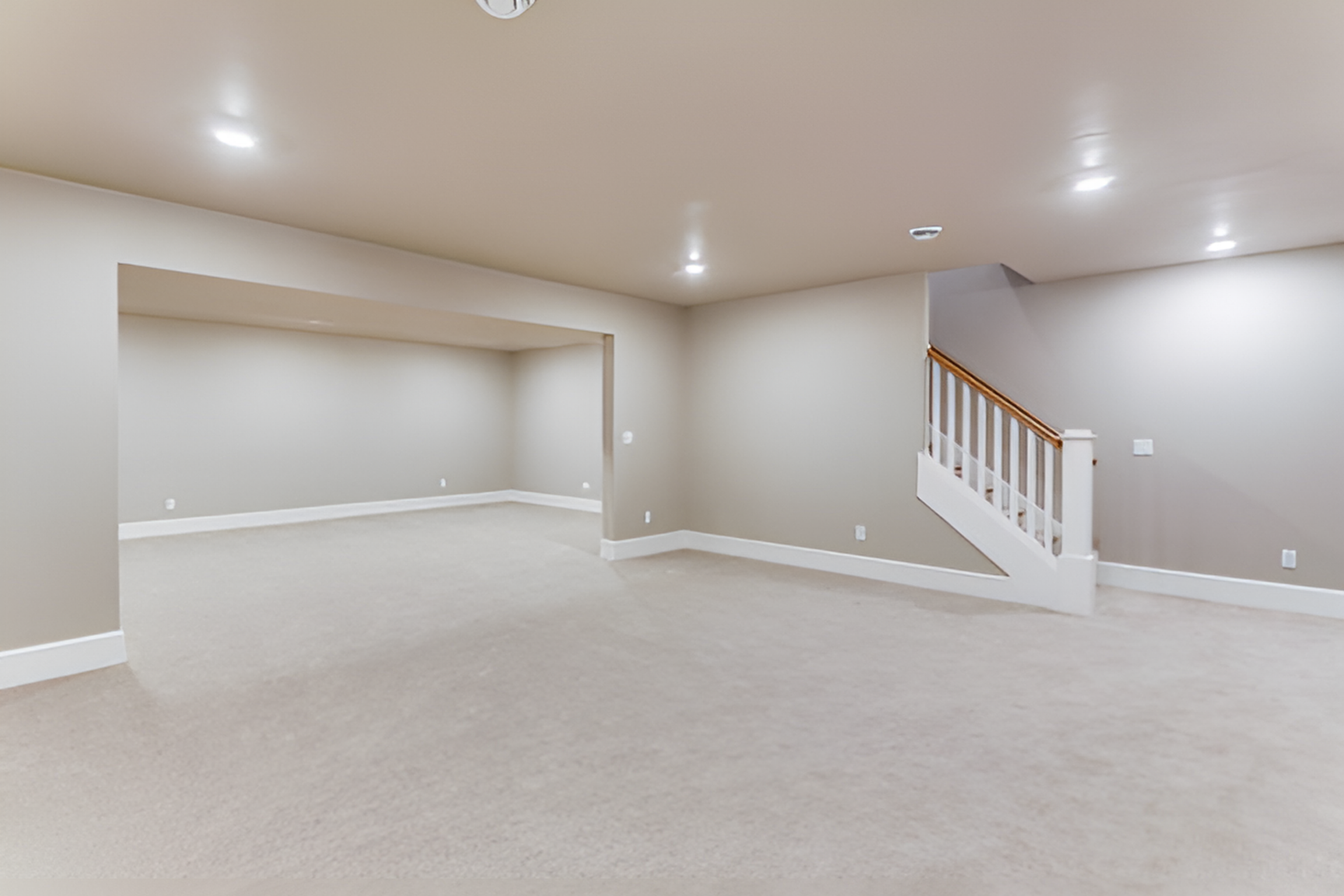
Before you pick any material, ask yourself a few key questions:
- How damp is my basement? Moisture levels are the most critical factor.
- What will I use this space for? Entertainment rooms, bedrooms, home gyms, or storage all have different flooring needs.
- What’s my budget? Some materials provide long-term value but come with higher upfront costs.
- Do I want low maintenance or DIY-friendly options? Some floors are easier to clean and install than others.
Understanding these factors will guide you to the best flooring that not only enhances your basement but also boosts your home’s value.
Waterproof vs. Water-Resistant Flooring: What’s the Difference?
Basements are prone to moisture, which can affect flooring longevity. It’s important to distinguish between waterproof and water-resistant options:
- Waterproof flooring prevents water penetration entirely, ideal for areas with high humidity or occasional flooding.
- Water-resistant flooring can handle spills and minor moisture but may warp or stain if exposed to water for long periods.
Choosing a waterproof floor is often a smart long-term investment, especially for resale value.
Top Basement Flooring Options That Increase Home Value
Choosing the right flooring for your basement can make a significant difference in both usability and resale value. Let’s explore the most popular and effective basement flooring options in detail:
1. Luxury Vinyl Planks (LVP) and Tiles (LVT)
Luxury vinyl has become one of the top choices for basement flooring due to its balance of style, durability, and moisture resistance.
- Realistic Appearance: High-quality LVP and LVT can mimic hardwood, stone, or ceramic tiles, giving your basement a high-end look without the cost.
- Waterproof Options: Many luxury vinyl products are fully waterproof, making them perfect for areas prone to dampness or minor flooding.
- Comfort and Maintenance: The material is soft underfoot, comfortable to walk on, and easy to clean with a broom or damp mop.
- Durability: LVP and LVT resist scratches, dents, and moisture, making them ideal for high-traffic spaces or homes with kids and pets.
- Cost-Effective: Compared to hardwood or natural stone, luxury vinyl provides a premium appearance at a fraction of the price.
Best For: Living rooms, media rooms, play areas, and multi-purpose spaces where style and practicality are both important.
2. Engineered Hardwood
Engineered hardwood offers the elegance of real wood while being more stable in moisture-prone areas like basements.
- Construction: Made with a real hardwood veneer over multiple layers of plywood or fiberboard, engineered hardwood is less prone to warping than solid wood.
- Visual Appeal: Provides the warm, inviting look of natural wood, instantly enhancing your basement’s atmosphere.
- Refinishing: Depending on the thickness of the top layer, it can be refinished once or twice, allowing you to refresh the floor over time.
- Moisture Resistance: While not waterproof, engineered hardwood tolerates humidity better than traditional hardwood, making it suitable for finished basements with controlled moisture.
Best For: Finished basements, home offices, bedrooms, or entertainment spaces where aesthetic appeal is a priority.
3. Carpet and Carpet Tiles
Carpet remains a top choice for basement comfort and coziness, especially in family or media rooms.
- Warmth and Comfort: Provides insulation against cold concrete floors, making it ideal for year-round comfort.
- Noise Reduction: Carpet absorbs sound, which helps reduce echoes in large basement spaces.
- Flexibility: Carpet tiles are a practical option for high-traffic areas since individual tiles can be replaced if damaged.
- Moisture Considerations: Low-pile, moisture-resistant carpets or rugs are best to prevent mold and mildew.
Best For: Playrooms, bedrooms, home theaters, or any area where comfort and noise reduction are important.
4. Tile Flooring
Tile is a durable and stylish option that works well for basements with high traffic or potential water exposure.
- Variety of Styles: Ceramic and porcelain tiles come in countless colors, patterns, and textures to suit any design style.
- Waterproof: Fully resistant to moisture, making it perfect for laundry rooms, bathrooms, or kitchenettes in basements.
- Maintenance: Easy to clean with a mop and minimal upkeep, though grout should be sealed to prevent staining.
- Comfort Considerations: Tiles can feel cold, so pairing them with area rugs or underfloor heating can make them more comfortable.
Best For: Laundry areas, bathrooms, kitchens, and high-traffic entertainment spaces.
5. Laminate Flooring
Laminate flooring offers a budget-friendly alternative to hardwood with reasonable durability and moisture resistance.
- Appearance: Modern laminate can convincingly mimic wood or stone at a lower cost.
- Scratch and Stain Resistance: Laminate stands up well to heavy foot traffic and household pets.
- Water-Resistant Options: Some laminate products are designed specifically for basements, with moisture-resistant cores.
- DIY-Friendly: Click-lock installation systems make laminate a great option for homeowners who prefer a DIY approach.
Best For: General living spaces, game rooms, and guest bedrooms where cost-effective, stylish flooring is desired.
6. Stained or Painted Concrete
Concrete floors can be transformed into a sleek, modern look while offering unmatched durability.
- Longevity: Extremely tough and long-lasting, concrete resists wear and tear from heavy furniture or foot traffic.
- Design Flexibility: Can be stained, painted, or sealed in a variety of colors and finishes to match any décor.
- Minimal Maintenance: Requires occasional cleaning and resealing but otherwise very low-maintenance.
- Comfort Upgrades: Can integrate radiant heating systems to warm the floors and create a more comfortable living space.
Best For: Modern basements, home gyms, workshops, or industrial-style spaces that prioritize durability and easy maintenance.
7. Cork Flooring
Cork is a unique, eco-friendly option that brings warmth and comfort to basements.
- Natural Insulation: Cork is soft underfoot and provides natural insulation against cold concrete floors.
- Quiet and Comfortable: Its slightly springy texture reduces noise, making basements more inviting.
- Moisture Resistance: Naturally resistant to mold and mildew, especially when sealed properly.
- Sustainability: Made from renewable cork bark, it’s an environmentally responsible choice.
Best For: Bedrooms, home offices, yoga or relaxation areas, and spaces where comfort and quiet are priorities.
How to Match Flooring to Basement Use
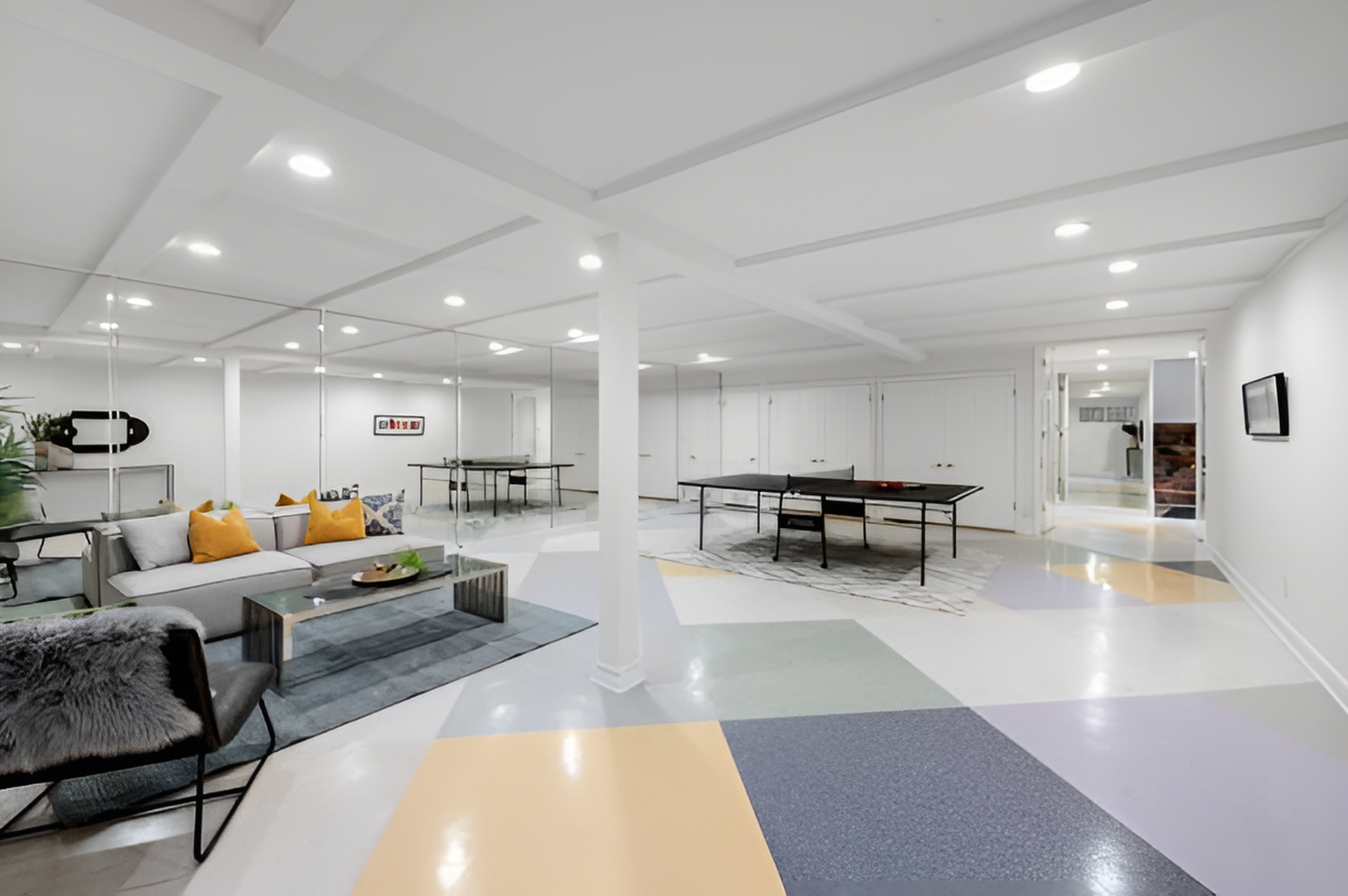
Selecting the right flooring depends on how you plan to use the basement:
- Entertainment or Media Rooms: Carpet, LVP, or engineered hardwood for comfort, acoustics, and visual appeal.
- Home Gyms: Rubber, vinyl, or stained concrete for durability and impact resistance.
- Laundry Rooms: Tile or waterproof vinyl to handle water spills and moisture.
- Guest Bedrooms: Engineered hardwood or carpet for warmth and style.
Matching flooring to the room’s purpose ensures longevity, minimizes damage risk, and maximizes home value.
How Flooring Affects Home Resale Value
The right basement flooring can have a major impact on your home’s marketability:
- Attractiveness: Finished basements with stylish, moisture-resistant flooring are more appealing to potential buyers.
- Low Maintenance: Durable floors that resist stains, scratches, and moisture reduce perceived future costs for buyers.
- Premium Look for Less: Options like luxury vinyl and engineered hardwood offer a high-end appearance without the expense of natural hardwood or stone.
- Functional Space: A well-floored basement effectively increases livable square footage, often translating into higher appraisals and quicker sales.
Investing in quality flooring pays off by enhancing the space visually and functionally while increasing home value.
Maintenance Tips to Preserve Flooring Value
Proper care keeps your basement flooring looking great and extends its life:
- Vinyl: Sweep regularly and mop with a non-abrasive cleaner to prevent scratches and buildup.
- Engineered Hardwood: Wipe up spills immediately, avoid standing water, and place rugs in high-traffic areas.
- Carpet: Vacuum frequently, spot-clean stains promptly, and consider periodic professional cleaning.
- Tile: Seal grout annually to prevent moisture damage and discoloration.
- Concrete: Reseal every few years, clean with mild detergents, and repair minor cracks promptly.
- Cork: Keep sealed, clean with a soft mop, and avoid excessive water exposure.
Consistent maintenance not only keeps floors looking new but also maintains the long-term value of your home.
Choosing the Right Flooring Installer
Even the best basement flooring can lose value if installed poorly. When hiring a professional:
- Check reviews and previous projects.
- Ensure proper subfloor preparation, especially for moisture-prone basements.
- Confirm warranty coverage for both materials and installation.
- Ask about maintenance guidance for your chosen flooring type.
A high-quality installation improves longevity, comfort, and overall home value.
Cost vs. Value: Flooring Investment Guide
Here’s a quick comparison of cost versus potential value boost for basement flooring options:
| Flooring Type | Average Cost (per sq ft) | Value Boost | Maintenance |
| Luxury Vinyl | $2–$5 | High | Low |
| Engineered Hardwood | $4–$8 | High | Medium |
| Carpet | $2–$6 | Medium | Medium |
| Tile | $3–$10 | High | Low |
| Laminate | $2–$5 | Medium | Medium |
| Concrete Stain | $1–$4 | Medium | Low |
| Cork | $3–$7 | Medium | Medium |
Investing in the right material can balance upfront costs with long-term returns when selling your home.
DIY vs. Professional Installation
Some flooring types are easier for DIY enthusiasts, while others require professional expertise:
- DIY-friendly: Vinyl planks, laminate, carpet tiles, painted concrete.
- Professional installation recommended: Engineered hardwood, ceramic tile, cork, full concrete staining with sealant.
Choosing the right approach ensures a smooth finish and maximizes the impact on home value.
Flooring Trends That Appeal to Buyers
Modern homebuyers often look for basement flooring that is stylish, durable, and easy to maintain. Popular trends include:
- Wood-look vinyl and laminate.
- Neutral-tone tiles that match contemporary décor.
- Sustainable materials like cork or bamboo.
- Stained or polished concrete for industrial-modern aesthetics.
Following trends can make your basement more attractive and increase perceived value without overinvesting.
Frequently Asked Questions About Basement Flooring Options
Q: Can I install hardwood in a basement?
A: Solid hardwood is not recommended due to moisture, but engineered hardwood is a safe alternative.
Q: What flooring is best for a damp basement?
A: Waterproof vinyl, tile, or stained concrete works best. Avoid solid wood and non-waterproof carpet.
Q: How do I add warmth to a basement floor?
A: Consider carpet, cork, or radiant heating under tile, vinyl, or concrete.
Q: Is waterproof vinyl a good investment for resale?
A: Yes. It’s durable, stylish, and low-maintenance, which appeals to most buyers.
Final Thoughts
Choosing the right basement flooring can transform an underutilized space into a functional, stylish, and valuable part of your home. Whether you prefer the luxury of engineered hardwood, the practicality of vinyl, or the warmth of carpet, there are options that combine durability, style, and resale potential. By considering moisture levels, room purpose, maintenance, and professional installation, you can select a flooring solution that not only enhances daily living but also boosts your home’s market value.
