
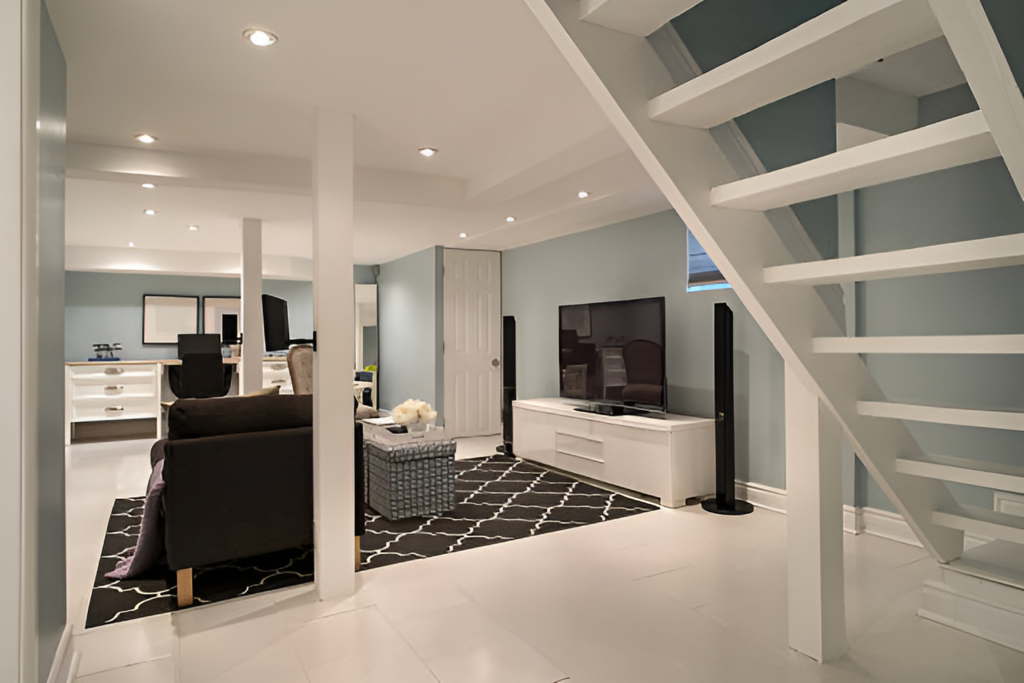
- Basements are prone to moisture, and proper waterproof flooring is essential to prevent mold, damage, and costly repairs.
- Concrete floors are naturally porous, so addressing moisture with sealants, vapor barriers, or improved drainage is a critical first step.
- Popular waterproof basement flooring options over concrete include luxury vinyl, tile, engineered wood, waterproof laminate, stained/epoxy concrete, and rubber, each with unique benefits and considerations.
- Proper preparation of the concrete surface—cleaning, repairing cracks, checking moisture, and applying barriers—is key for successful floor installation.
- Regular maintenance, such as cleaning, prompt spill removal, and resealing grout or epoxy, extends the life and appearance of waterproof flooring.
- Installing waterproof flooring not only protects your basement but also increases home value, usability, and aesthetic appeal, making the space more functional and attractive to buyers.
Basements are notorious for being damp, cold, and prone to water damage. That’s why selecting the right flooring is critical. Waterproof basement flooring options over concrete not only protect your home from moisture but also create a comfortable, functional, and visually appealing space. Whether you’re converting your basement into a living area, gym, or entertainment room, choosing moisture-resistant floors ensures longevity and peace of mind.
Why Basement Moisture Is a Problem
Concrete floors in basements are inherently porous, which means water can seep in from the ground, causing damp patches, mold growth, and structural issues. Even a small leak or high humidity can compromise your flooring, ruin furniture, and affect indoor air quality. Moisture problems are not only inconvenient but can also lead to costly repairs if ignored.
Some common signs of basement moisture include:
- Musty odors
- Water stains or discoloration on concrete
- Warped or buckled flooring
- Mold or mildew growth
- Damp walls or ceilings
Addressing moisture is the first step before installing any type of flooring. In some cases, this may mean applying a waterproof sealant to the concrete, installing a vapor barrier, or improving drainage around your home. Once the basement is dry, you can explore various waterproof basement flooring options over concrete.
What Makes Flooring Waterproof?
Waterproof flooring is designed to resist moisture penetration, preventing damage to both the floor and the underlying concrete. Some waterproof options are naturally resistant to water, while others require specialized coatings or installation methods. Here are some key features to look for in waterproof flooring:
- Material composition: Vinyl, tile, and certain laminates resist water naturally.
- Sealed seams: Flooring with tight seams or click-lock systems prevents water from seeping through gaps.
- Moisture barrier: Some products include an additional underlayment that blocks water from reaching the concrete.
- Durability: Waterproof flooring should maintain its shape, color, and texture even in humid conditions.
Top Waterproof Basement Flooring Options Over Concrete
Here’s a breakdown of the most popular waterproof basement flooring options over concrete, along with their benefits and considerations.
1. Luxury Vinyl Planks and Tiles (LVP/LVT)
Luxury vinyl is one of the most versatile and popular choices for basements. It comes in planks or tiles that mimic wood, stone, or ceramic at a fraction of the cost.
Benefits:
- 100% waterproof options available
- Easy to install with click-lock systems
- Comfortable underfoot and relatively quiet
- Low maintenance and easy to clean
- Wide variety of colors and styles
Considerations:
- Can dent or scratch with heavy furniture or sharp objects
- Lower-end vinyl may not feel as premium as hardwood
2. Ceramic and Porcelain Tile
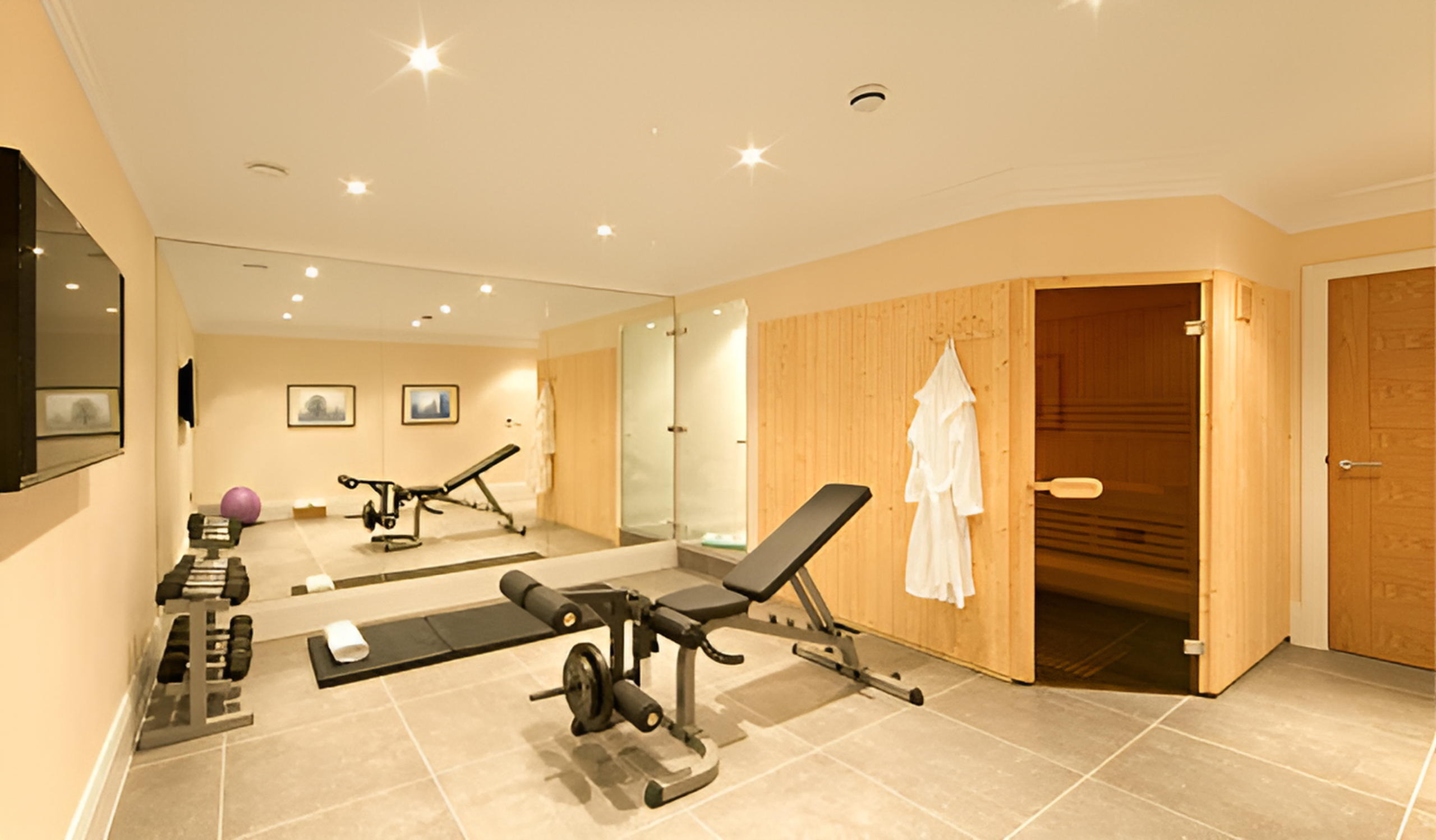
Tiles are naturally waterproof, durable, and ideal for basements that may experience occasional flooding or high humidity.
Benefits:
- Extremely durable and long-lasting
- Waterproof and resistant to stains
- Wide range of patterns and finishes
- Easy to maintain with regular cleaning
Considerations:
- Cold underfoot without radiant heating
- Installation can be labor-intensive and requires grout sealing
- Hard surface may not be ideal for living rooms or play areas
3. Engineered Wood with Waterproof Core
If you want the look of hardwood without the risk of water damage, engineered wood with a waterproof core is a great option. These floors combine a wood veneer over a stable, moisture-resistant core.
Benefits:
- Authentic wood appearance
- More stable than solid hardwood in humid conditions
- Waterproof or water-resistant varieties available
Considerations:
- Can be more expensive than vinyl or tile
- Requires careful installation and acclimation to prevent warping
4. Waterproof Laminate Flooring
Modern laminate flooring has advanced to include waterproof options suitable for basements. It’s an excellent alternative for homeowners who want wood-like aesthetics without vulnerability to moisture.
Benefits:
- Affordable compared to engineered wood
- Waterproof varieties prevent swelling and warping
- Quick installation with floating floor systems
- Scratch-resistant and easy to clean
Considerations:
- Not all laminate is fully waterproof, so check manufacturer specifications
- Can feel less authentic than real wood
5. Stained or Epoxy Concrete
Instead of covering the concrete, some homeowners choose to treat and seal the floor itself. Staining or adding epoxy creates a smooth, attractive, and fully waterproof surface.
Benefits:
- Permanent waterproofing with proper sealing
- Minimal maintenance and easy cleaning
- Modern and industrial aesthetic
- Resistant to heavy traffic and furniture
Considerations:
- Can be cold and hard without rugs or underfloor heating
- Professional installation recommended for epoxy
- Cracks in concrete can show through if not repaired
6. Rubber Flooring
Rubber flooring is often used in gyms or play areas, but it’s increasingly popular in basements due to its water resistance.
Benefits:
- Waterproof and slip-resistant
- Comfortable and cushioned underfoot
- Durable and impact-resistant
- Easy to clean
Considerations:
- Limited aesthetic options compared to wood or tile
- Can have a noticeable rubber odor initially
How to Prepare Concrete for Waterproof Flooring
Before installing any flooring over concrete, proper preparation is crucial:
- Clean the surface: Remove dust, dirt, grease, and old adhesives.
- Repair cracks: Fill cracks or holes with concrete filler to ensure a level surface.
- Check moisture levels: Use a moisture meter to ensure the concrete is dry.
- Apply a vapor barrier: Consider a thin polyethylene sheet or moisture-resistant underlayment for added protection.
- Seal the concrete: Some flooring types benefit from a primer or sealant that enhances adhesion and waterproofing.
Common Questions About Basement Flooring Options Over Concrete
Can I install waterproof flooring directly on a damp basement floor?
No. Even waterproof flooring needs a dry, stable base. Excess moisture can compromise adhesives or cause mold growth under the floor. Always test and treat the concrete first.
Is vinyl or tile better for basements?
It depends on your priorities. Vinyl is warmer, softer, and easier to install, while tile is highly durable and long-lasting. If flooding is a concern, tile or epoxy may be the safest choice.
Can I use carpet in a basement?
Traditional carpet is not recommended unless the basement is fully waterproofed. Some water-resistant carpets exist, but even then, they are prone to mold if water seeps through. Area rugs over waterproof floors are a safer alternative.
Do I need professional installation?
Some flooring, like vinyl planks or laminate, is DIY-friendly. Tile, epoxy, and certain engineered wood options benefit from professional installation for best results.
Maintenance Tips for Waterproof Basement Floors
Even waterproof floors require some care to stay in good shape:
- Regular cleaning: Sweep, vacuum, or mop to prevent dirt buildup.
- Prompt spill cleanup: Remove any water or liquids immediately.
- Sealing and finishing: Reseal tile grout or epoxy floors as recommended by the manufacturer.
- Avoid standing water: Even waterproof floors can be damaged by prolonged water exposure.
- Use furniture pads: Prevent scratches and dents from heavy furniture.
How Waterproof Flooring Improves Home Value
Basement renovations can significantly increase a home’s value, and flooring is a key factor. Choosing the right basement flooring options can:
- Make the basement usable as a living space, home office, or entertainment area
- Reduce potential damage from water and mold
- Enhance aesthetics with modern, clean designs
- Offer energy efficiency when combined with insulation or underfloor heating
Buyers often see a dry, well-finished basement as a sign of a well-maintained home, making waterproof flooring a smart investment.
Trends in Waterproof Basement Flooring
Recent trends in basement flooring reflect a balance of style and practicality:
- Wood-look vinyl and laminate: Modern textures and realistic finishes mimic natural hardwood
- Large-format tiles: Minimal grout lines create a clean, spacious look
- Eco-friendly options: Recycled vinyl, cork, or rubber are gaining popularity
- Mixed-material designs: Combining tile, vinyl, and rugs for zones within the basement
In Closing
Choosing waterproof basement flooring options over concrete is essential for protecting your home from dampness, enhancing aesthetics, and creating a comfortable living environment. From luxury vinyl and tile to engineered wood and epoxy, the options are versatile enough to suit any style or budget.
The key is proper preparation, selecting the right material for your basement’s specific needs, and maintaining the floor over time. By investing in quality waterproof flooring, you can transform a once-damp basement into a valuable, enjoyable space that serves your family for years to come.
