

A luxury home is more than a place to live—it is a carefully designed environment that supports comfort, privacy, wellness, and the way your family wants to experience everyday life. For homeowners considering a major expansion, adding square footage is only part of the opportunity. Thoughtfully planned additions can introduce new living spaces, enhance outdoor areas, incorporate modern technology, and create amenities that make the property more functional while elevating its overall character and appeal.
Luxury home expansions that elevate your property combine architectural design, premium materials, innovative features, and practical planning. Whether you are adding a private retreat, expanding entertainment areas, creating a wellness-focused space, or extending your home toward the outdoors, each decision should complement the existing property while serving a clear purpose. The most successful projects balance visual sophistication with durability, efficiency, privacy, and everyday usability.
A high-end expansion also requires careful coordination from the earliest planning stages. Structural considerations, permits, site conditions, utilities, landscaping, and specialized installations can all influence the final result. By approaching the project with a long-term vision and working with qualified professionals, homeowners can create additions that feel like natural extensions of the original home rather than separate structures.
This guide explores luxury home expansion ideas that can enhance comfort, functionality, lifestyle, and property value. From sophisticated interior additions to resort-style outdoor features, these strategies can help homeowners transform their properties into more versatile and enjoyable spaces while making thoughtful investments for the future.
Redefining the Interior: Sophisticated Living Spaces
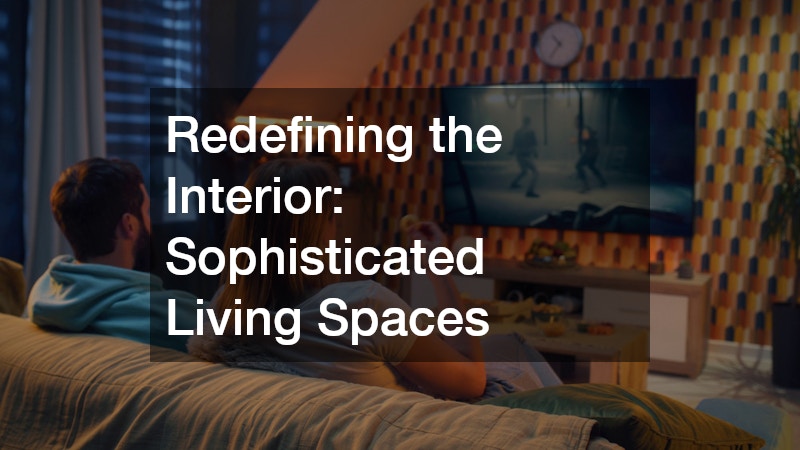
The foundation of a premier estate lies in its ability to adapt to the changing needs of its inhabitants while maintaining a cohesive design language. Modern interior expansions often focus on “open-concept” transitions that still offer the intimacy of private alcoves. This is achieved through the use of glass partitions, varying ceiling heights, and “smart” floor plans that allow for effortless hosting.
When considering a significant home remodeling project, the focus should be on material integrity. We are seeing a resurgence in natural stone, book-matched marbles, and rare hardwoods that provide a tactile sense of permanence. In the world of luxury homes, the distinction is found in the details—integrated circadian lighting that mimics the sun’s natural cycle, or hidden “jib doors” that lead to private pantries or home offices.
- Prioritize “zonal” climate control during your renovation. By installing independent VRF (Variable Refrigerant Flow) systems, you allow for precise temperature management in specific wings of the house. This ensures that a guest suite remains perfectly chilled without overworking the units in the main gallery, significantly increasing both comfort and energy efficiency.
- Invest in oversized, floor-to-ceiling glass sliders with recessed tracks. Modern engineering allows for massive panels of glass that slide with the touch of a finger. By recessing the tracks into the floor, you create a “flush” transition between your interior and the terrace, erasing the physical boundary between the indoors and the outdoors.
- Integrate smart-glass technology for instant privacy. High-end renovations now utilize electrochromic glass in bathrooms and street-facing windows. This allows the glass to transition from perfectly transparent to completely opaque via a smartphone app or voice command, eliminating the need for bulky curtains that might disrupt a minimalist aesthetic.
The Ultimate Entertainment Destination
The home cinema has evolved from a simple media room into a fully calibrated sensory experience. To achieve a professional-grade atmosphere, one must look beyond the screen size and focus on the physics of the room itself. Acoustic treatment is the silent hero of these spaces; using custom-wrapped fabric panels and bass traps ensures that the sound is crisp, clear, and contained.
A high-end home theater installation requires a synergy between the interior designer and the AV engineer. Seating should be arranged using tiered “risers” to ensure perfect sightlines from every angle, while the hardware itself—projectors and rack systems—should be housed in ventilated, hidden closets to maintain the room’s aesthetic. A true home movie theater experience is defined by the automation: a single button press that simultaneously dims the lights, closes the motorized drapes, and lowers the screen.
- Use “acoustically transparent” screens for superior sound imaging. This specialized fabric allows you to place high-quality speakers directly behind the image. This ensures the dialogue feels like it is coming from the actors’ mouths rather than from the floor or ceiling, creating a much more immersive and realistic audio-visual connection.
- Incorporate a “concession gallery” just outside the entrance. Elevate the pre-show ritual by designing a dedicated lobby area featuring a built-in humidor, a wine chiller for vintage pairings, and professional-grade popcorn stations. This transforms a simple movie night into a full evening event for guests.
- Deploy D-BOX haptic feedback seating. To truly bridge the gap between watching a movie and experiencing it, integrate motion-synchronized seating. These chairs provide subtle vibrations and movements that correspond to the action on screen, adding a physical dimension to high-octane sequences without compromising on the comfort of premium leather upholstery.
Reclaiming the Lower Level and Utility Spaces

The most overlooked potential in high-end real estate often lies beneath our feet or in the structures originally intended for storage. Transforming these areas requires a deep understanding of structural engineering and moisture management. A high-end basement remodeling service can convert a dark, damp lower level into a vibrant wellness wing, complete with a cryogenic chamber, steam room, and a glass-walled gym.
Similarly, the trend of repurposing detached structures has gained immense popularity. Sophisticated garage conversions can turn a standard three-car bay into a climate-controlled “man-cave” or an ADU (Accessory Dwelling Unit) for long-term guests. These spaces should feel like an extension of the main house, utilizing the same high-end finishes and smart home integrations found in the primary living areas.
- Install a “sump pump” backup system with a battery or generator link. When finishing a lower level with expensive hardwoods or custom cabinetry, protecting the investment from water ingress is non-negotiable. A redundant pump system ensures that even during a power outage in a heavy storm, your subterranean sanctuary remains bone-dry.
- Utilize recessed LED “halo” lighting for vehicle showrooms. If you are repurposing a garage for a private collection, lighting is key. High-CRI (Color Rendering Index) LED strips recessed into the ceiling can eliminate harsh shadows on the car’s paintwork, mimicking the professional lighting found in international auto shows to highlight every curve.
- Incorporate high-velocity “Ejector Pumps” for subterranean plumbing. Adding a luxury bathroom or wet bar to a lower level often requires moving waste against gravity. Using high-end, quiet-running ejector systems allows you to install rainfall showers and full-sized sinks anywhere in the layout without being limited by existing sewer line depths.
The Sanctuary of Modern Wellness and Utility

Invisible luxury is often the most rewarding. In an era where health is the ultimate currency, the quality of the water and air within a home is paramount. Standard city water often contains chemicals and minerals that can be harsh on both the body and expensive plumbing fixtures. Integrating whole house water filters into your infrastructure ensures that every shower, tap, and appliance is supplied with purified, pH-balanced water.
This level of utility is a critical component of any comprehensive home remodeling effort. By filtering water at the point of entry, you prevent the buildup of scale in high-end steam ovens and espresso machines, while also providing a spa-like experience in every bathroom. It is a functional expansion that pays dividends in both health and property maintenance.
- Opt for a multi-stage filtration system that includes UV purification. Standard carbon filters catch sediment, but a UV stage kills 99.9% of bacteria and viruses. This medical-grade approach ensures your water is biologically pure without the need for harsh chemical additives like chlorine, which can irritate the skin and eyes.
- Combine your filtration system with a leak-detection shut-off valve. Modern smart-home utility hubs can monitor water flow in real-time. If the system detects an unusual spike—indicating a burst pipe behind a wall—it can automatically shut off the main water line and alert your smartphone, preventing hundreds of thousands of dollars in potential water damage.
- Install a dedicated “alkaline tap” in the primary kitchen. Beyond basic filtration, many homeowners are requesting ionizers that adjust the pH level of the water. This provides high-quality drinking water optimized for hydration and cooking, integrated directly into a designer faucet that matches your kitchen’s hardware.
The “Blue Zone” Backyard: Elite Aquatic Design
The modern swimming pool has transitioned from a recreational box to a sculptural element of the landscape. High-end aquatic design now emphasizes “perceptual” features, such as perimeter overflows where the water disappears into a narrow slot, creating a mirror-like surface. Working with elite pool builders allows you to integrate complex features like “tanning ledges” with submerged loungers or “fire-and-water” bowls that provide dramatic evening lighting.
A truly luxurious pool requires a lifetime of care, which is why specialized in ground pool services are essential for maintaining the intricate balance of saltwater systems and automated heating. The goal is to create a resort-style atmosphere where the maintenance is entirely automated, allowing the homeowner to enjoy the water rather than managing it.
- Install an in-floor cleaning system during the build phase. These “pop-up” nozzles are built directly into the floor of the pool and rotate to push debris toward the main drain. They also help circulate heated water more evenly from the bottom up, eliminating “cold spots” and virtually removing the need for unsightly robotic vacuum hoses.
- Consider a “chiller” function for your heat pump system. In warmer climates, a pool can become uncomfortably warm by mid-August. A reversible heat pump can drop the water temperature by several degrees, ensuring the water remains refreshing and crisp even during a record-breaking heatwave.
- Integrate “Smart Chemical” automation for effortless balance. By using an automated sensing system, your pool can monitor pH and ORP (Oxidation-Reduction Potential) levels 24/7. The system automatically dispenses the exact amount of minerals or acid needed, ensuring the water is always crystal clear and gentle on the skin without manual testing.
Architectural Outdoor Living and Transitions
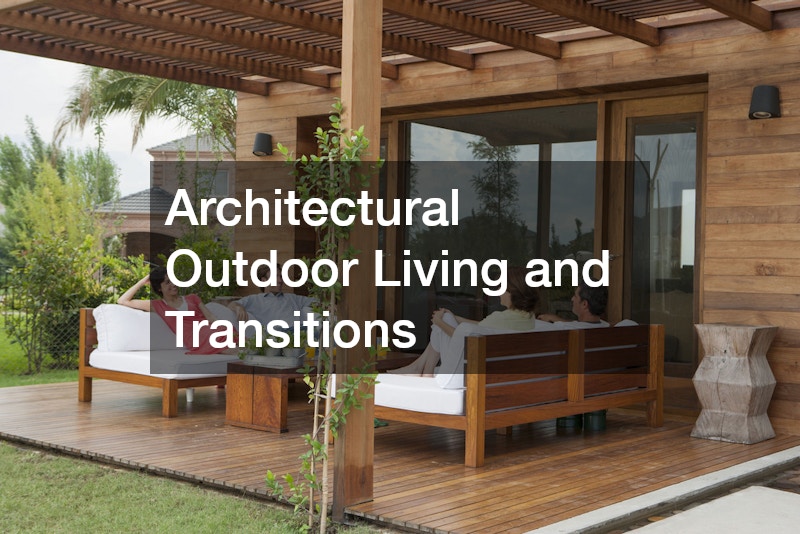
The space surrounding the home is just as vital as the interior. A well-designed deck or patio serves as the “connective tissue” between the architecture and the nature that surrounds it. When hiring a professional deck builder, the focus should be on longevity and thermal comfort. Modern composite materials and tropical hardwoods like Ipe offer incredible durability and a premium aesthetic that resists the elements for decades.
Over time, even the most beautiful outdoor spaces require attention. Specialized pool deck repair can revitalize weathered stones or cracked concrete, replacing them with slip-resistant porcelain pavers that remain cool to the touch even in direct sunlight. This attention to detail ensures that the outdoor living area remains a safe, beautiful venue for gala-style entertaining or quiet family evenings.
- Integrate “phantom screens” or motorized louvers into your design. These architectural additions allow you to adapt to the weather instantly. Motorized louvers can be angled to let in the breeze while blocking the sun, or closed entirely during a rainstorm, allowing you to use your outdoor living room regardless of the forecast.
- Use “hardscaping” to create distinct outdoor rooms. Rather than one large flat surface, design your space with varying elevations. A sunken fire pit area creates an intimate conversation zone, while an elevated dining terrace provides a grand vantage point over the rest of the property, adding depth and purpose to the landscape.
- Install “In-Joist” lighting for safety and ambiance. To avoid the clutter of standing lamps, have your builder install recessed LED puck lights directly into the decking boards or stair risers. This provides a subtle, high-end glow that highlights the architectural lines of the deck at night while ensuring safe navigation for guests.
Final Thoughts
A thoughtfully planned home expansion can do far more than add space. It can improve how your property functions, create new opportunities for relaxation and entertainment, and introduce features that make everyday life more comfortable and enjoyable. The strongest projects balance sophisticated design with practical considerations such as durability, efficiency, privacy, and long-term usability.
Successful high-end renovations also begin with a clear understanding of how the property will be used. Whether the goal is to create a private retreat, expand entertaining areas, enhance outdoor living, or incorporate wellness and technology features, every addition should complement the existing architecture and serve a meaningful purpose. Working with experienced professionals can help ensure that design, construction, structural requirements, and finishing details come together seamlessly.
Ultimately, expanding your home is an opportunity to shape your property around the lifestyle you want to enjoy. By investing in quality materials, thoughtful design, and features that provide lasting value, you can create spaces that feel both impressive and genuinely livable. With careful planning, your expanded home can become a more functional, comfortable, and distinctive place to live for years to come.
